
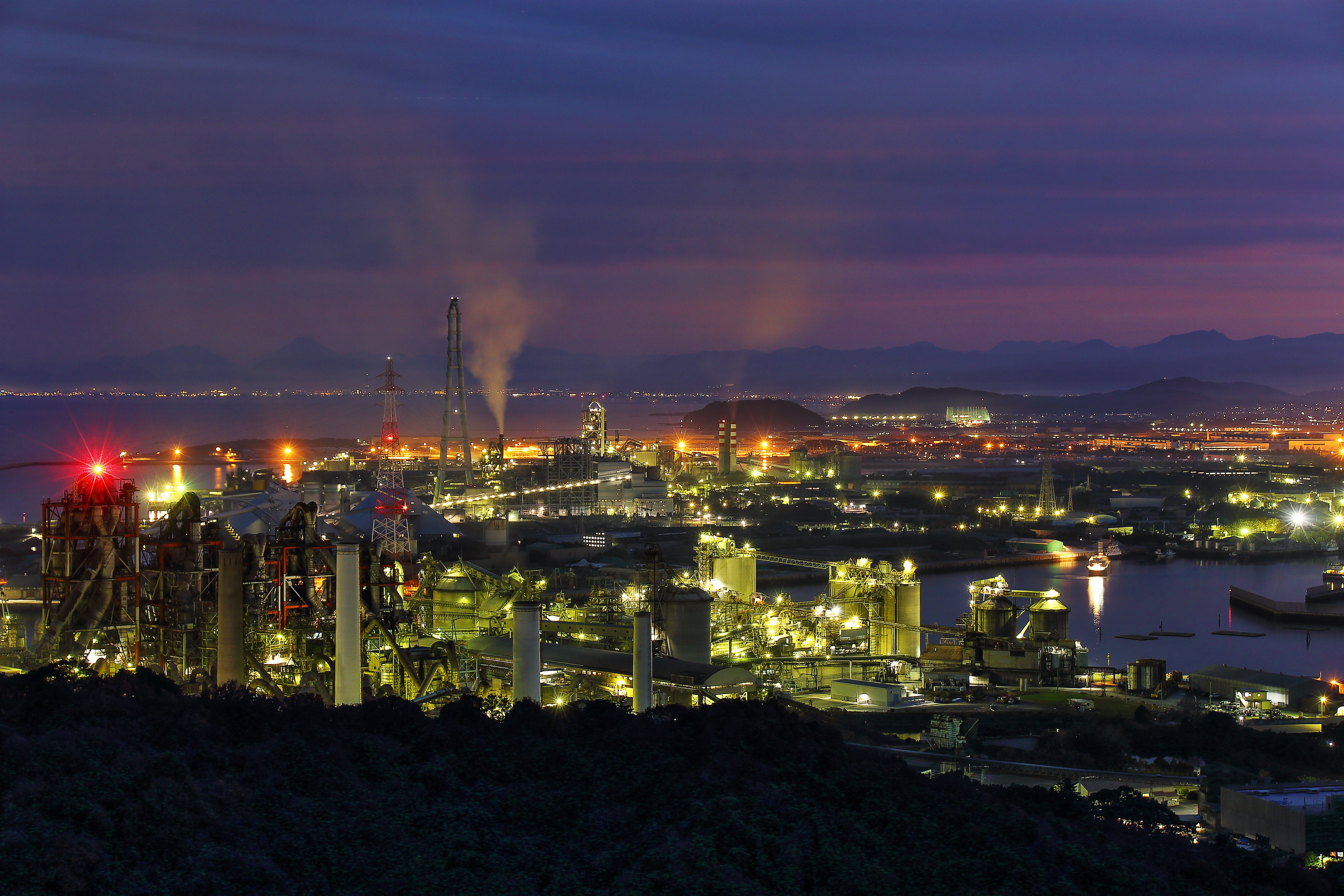


Riyadh Refinery, operated by Saudi Aramco, is a strategically significant refining complex serving the central region of the Kingdom of Saudi Arabia. Located near the capital city, Riyadh, the refinery plays a critical role in ensuring uninterrupted supply of fuels and petroleum products to one of the country’s most important commercial, industrial, and transportation hubs.
Commissioned in the mid-1970s, the refinery has evolved into a highly reliable and efficient operation with a processing capacity of approximately 120,000–130,000 barrels per day. Over the years, it has undergone multiple modernization and revamp programs, integrating advanced refining technologies, hydroprocessing units, and upgraded utilities to improve operational flexibility, product quality, and environmental performance.
Riyadh Refinery produces key petroleum products including gasoline, diesel, jet fuel, LPG, and other refined fuels. These products support road transportation, aviation, industrial users, and power generation across central Saudi Arabia. Its central geographic location and strong integration with pipelines, terminals, and distribution networks make it a vital component of Saudi Aramco’s domestic fuel supply chain.
The refinery operates with robust process control systems, advanced automation, and stringent safety standards. Highly skilled Operations, Maintenance, Technical, Safety, and Engineering teams ensure safe, stable, and continuous 24×7 operations across all processing units and utilities.
With continuous investments in cleaner fuel production, energy efficiency, and environmental compliance, Riyadh Refinery reflects Saudi Aramco’s commitment to operational excellence, energy security, and sustainable downstream growth. Today, the refinery represents the Kingdom’s industrial maturity, reliability in domestic fuel supply, and long-term vision for a secure and sustainable energy future.
The scope of work at Riyadh Refinery encompasses a comprehensive range of activities covering engineering, construction, commissioning, operations, maintenance, safety, compliance, and modernization. As a critical downstream asset in Saudi Aramco’s refining network, the scope spans multiple departments, contractor teams, and operational disciplines to ensure safe, efficient, and reliable refinery performance.
Engineering activities include process design validation, detailed engineering, equipment specification, layout optimization, and integration with existing refinery units. Engineering teams work in line with Saudi Aramco standards and approved EPC contractors to ensure compliance with process safety, environmental regulations, and operational efficiency requirements.
The scope also covers hazard identification studies, risk assessments, constructability reviews, and preparation of technical documentation to support smooth project execution and long-term operational reliability.
Construction scope includes civil foundations, structural fabrication, equipment installation, pipeline erection, storage tank works, electrical cabling, and instrumentation installation. Installation of heavy equipment such as reactors, columns, heat exchangers, compressors, furnaces, and rotating machinery is carried out under strict quality and safety supervision. Alignment, welding, NDT, inspection, and testing activities ensure compliance with Saudi Aramco standards and international codes.
Pre-commissioning activities include hydrotesting, system flushing, chemical cleaning, equipment calibration, loop checking, functional testing, and safety system validation. These activities ensure all systems are technically ready for safe commissioning and integration into live refinery operations.
Commissioning involves unit start-up procedures, safety audits, interlock testing, performance evaluation, and system stabilization. Process units, utilities, tank farms, pipelines, and control systems are integrated through coordinated efforts between engineering, operations, and technical teams. DCS/SCADA configuration, alarm validation, and emergency shutdown system activation are key elements of this phase.
Maintenance activities include preventive, predictive, and corrective maintenance across mechanical, electrical, and instrumentation disciplines. This covers rotating equipment, motors, switchgear, valves, pipelines, heat exchangers, and control instruments. Major shutdowns and planned maintenance campaigns are executed to inspect equipment, replace catalysts, repair refractory, and ensure long-term asset integrity.
Environmental scope includes emissions monitoring, sulfur recovery system maintenance, wastewater treatment, flare system management, waste handling, and energy optimization initiatives. These activities ensure compliance with Saudi environmental regulations and Saudi Aramco’s sustainability commitments.
Safety is embedded across all refinery activities. The scope includes HAZOP studies, permit-to-work systems, job safety analysis, emergency preparedness, fire protection system maintenance, and regular safety drills. Strict adherence to Saudi Aramco safety standards ensures zero-harm operations.
Overall, the scope of work at Riyadh Refinery spans the entire lifecycle of refining operations, ensuring operational excellence, environmental responsibility, and a reliable fuel supply for central Saudi Arabia.
| Category | Description |
|---|---|
| Overall Purpose | Operations and maintenance are central to Riyadh Refinery’s reliability, safety, and product quality. O&M teams ensure continuous production, equipment integrity, and compliance with Saudi Aramco standards. |
| 24×7 Operations | Trained operators manage round-the-clock operations across process units, utilities, tank farms, and control rooms. Activities include feedstock control, parameter monitoring, alarm handling, and coordination with laboratories to meet quality specifications. |
| Units Managed in Operations |
|
| Process Monitoring & Control Systems | Advanced DCS and SCADA systems provide real-time monitoring of temperature, pressure, flow, and quality parameters. Operators optimize yields, manage load variations, and maintain stable operations to prevent disruptions. |
| Maintenance Activities | Mechanical, electrical, and instrumentation maintenance including pump and compressor maintenance, motor inspections, valve servicing, pipeline repairs, heat exchanger cleaning, and system testing. |
| Preventive & Predictive Maintenance | Condition-monitoring techniques such as vibration analysis, thermography, oil analysis, and ultrasonic testing are used to predict failures and prevent unplanned shutdowns. |
| Shutdown & Maintenance Campaigns | Planned shutdowns involve coordinated inspections, catalyst replacement, equipment repairs, and system audits to ensure safe and efficient long-term operation. |
| Safety & Compliance | Safety practices include toolbox talks, safety audits, emergency drills, permit-to-work systems, and compliance with Saudi Aramco and international HSE standards. |
| Outcome & Performance | Integrated O&M ensures high reliability, process stability, superior product quality, and consistent fuel supply—supporting Saudi Arabia’s domestic energy needs and long-term sustainability goals. |