
_2vjkfylwx.jpg)
_9hqqrtv4c.jpg)
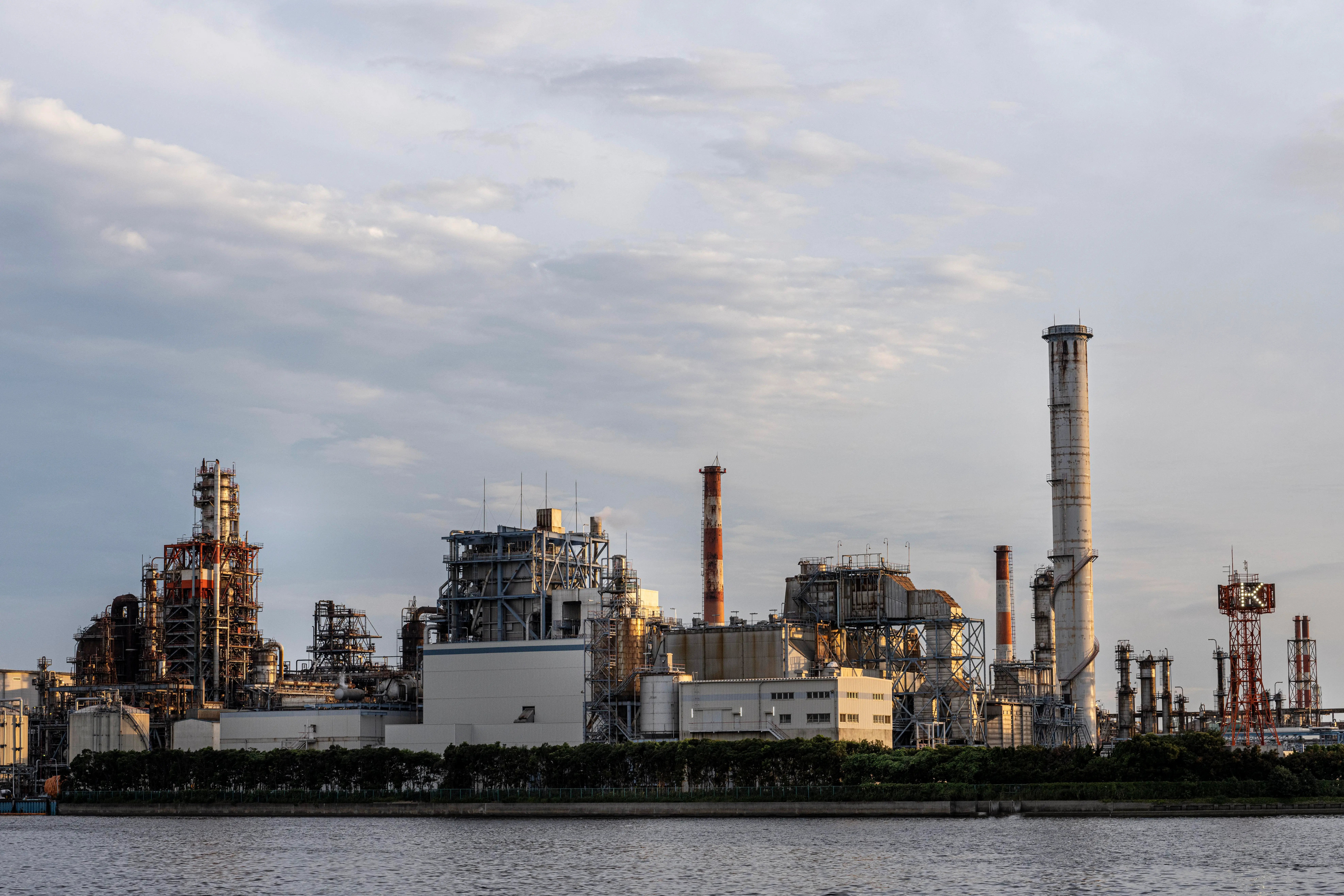
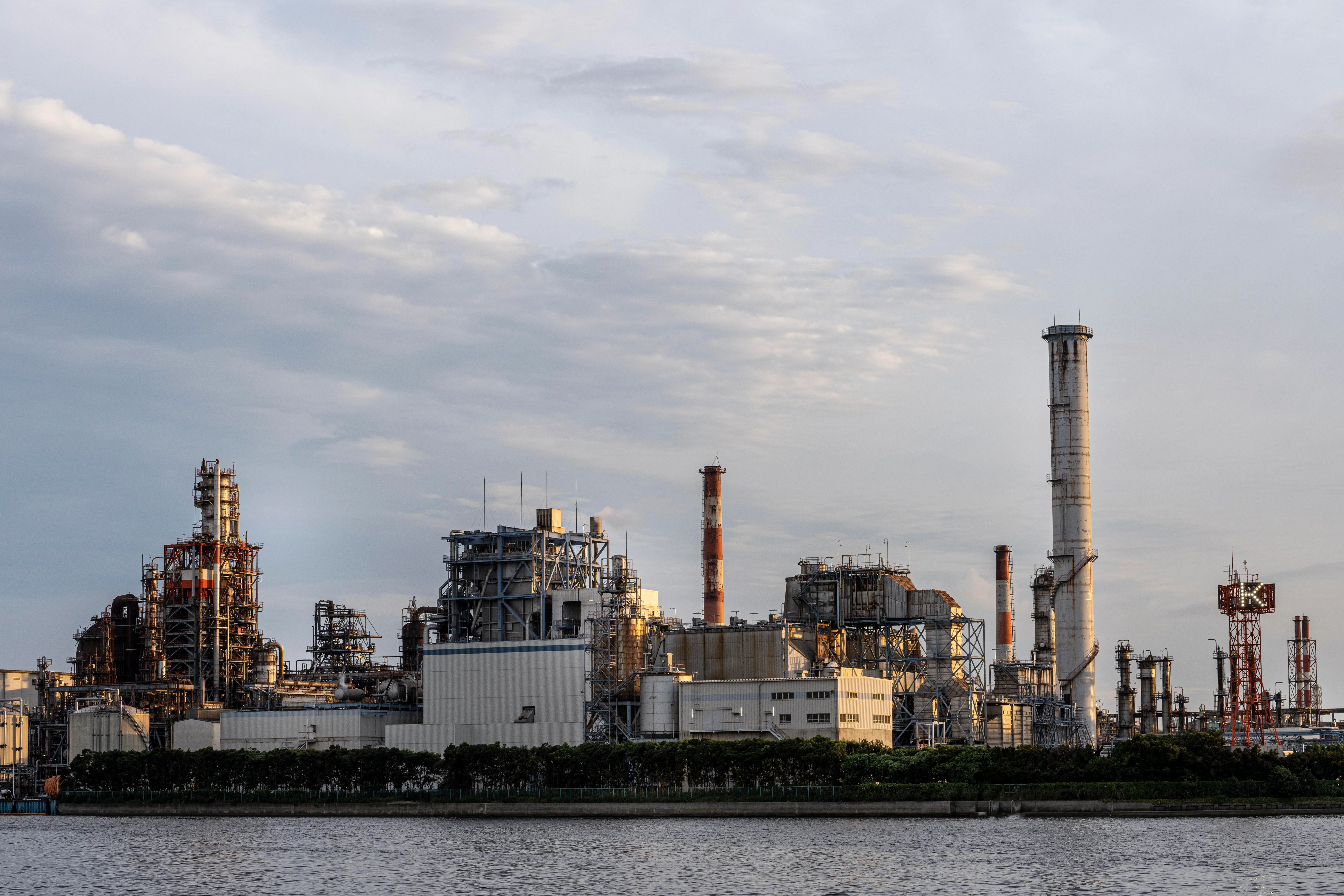
Panipat Refinery, operated by Indian Oil Corporation (IOCL), is one of India’s most advanced and strategically important integrated refinery complexes. Located in Haryana, it plays a major role in meeting the country’s fuel, petrochemical, and industrial energy needs.
Commissioned in 1998, the refinery has grown into a high-capacity, multi-unit complex equipped with world-class technologies such as hydrocracking, catalytic reforming, RFCC units, hydrogen generation, and advanced process automation. Its modern infrastructure ensures higher efficiency, cleaner fuels, and reliable supply across North and Central India.
Panipat Refinery is also a major petrochemical hub, housing Polypropylene Units (PP-1, PP-2, PP-3) and the Naphtha Cracker Unit (NCU), supporting industries such as packaging, textiles, automotive, and agriculture. With new projects like the P-25 expansion and Sustainable Aviation Fuel (SAF) unit, the refinery continues to drive India’s energy transition and industrial growth.
Over the years, Panipat Refinery has achieved significant milestones in modernization, environmental management, and safety excellence. The facility operates with highly trained Operations, Maintenance, Technical Services, Safety, and Project Engineering teams who ensure smooth and reliable 24×7 functioning of every unit.
The refinery’s strategic integration with pipelines, storage terminals, and distribution networks makes it a backbone for India’s fuel supply chain. With continuous upgrades to meet Bharat Stage (BS) emission norms and international safety standards, it stands as a benchmark for large-scale, sustainable refining operations.

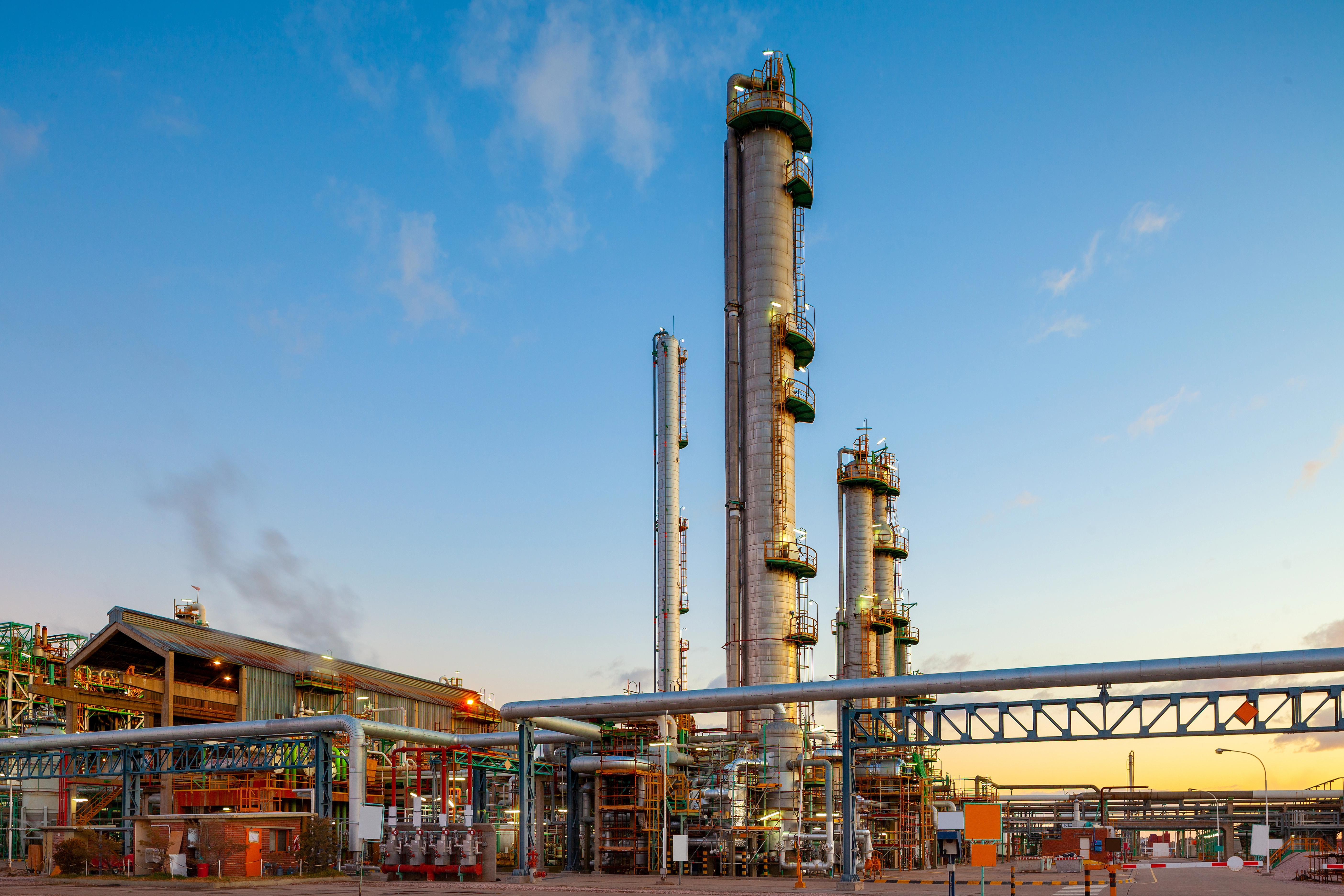
Today, Panipat Refinery is not just a production facility—it is a symbol of India’s technological advancement, energy independence, and long-term growth vision. With major expansions underway and a growing focus on greener fuels, petrochemicals, and digitalized operations, the refinery continues to strengthen its position as a cornerstone of the nation’s energy ecosystem.
Backed by experienced teams and continuous innovation, Panipat Refinery is prepared to meet future challenges and continue contributing to India’s industrial, economic, and sustainable development.
The scope of work at Panipat Refinery spans a wide spectrum of activities involving engineering, construction, commissioning, operations, maintenance, compliance, safety, and modernization. As one of the most complex refinery ecosystems in India, the scope extends across multiple departments, contractor teams, and project categories. These activities ensure that the refinery operates reliably while supporting expansion projects such as P-25, PP-3, SAF production units, and various modernization and plant upgradation initiatives.
The primary scope includes detailed engineering and design services, consisting of FEED validation, detailed engineering design, 3D model development, layout planning, process engineering, and integration with existing refinery units. Engineering teams work closely with EPC contractors such as EIL to ensure new units meet process requirements, safety guidelines, environmental regulations, and refinery-wide energy optimization strategies. The engineering scope also includes hazard identification, constructability analysis, and technical documentation required for successful project execution.
Construction and erection activities represent one of the largest components of the refinery’s overall work scope. These include structural fabrication, heavy civil foundations, storage tank construction, pipeline installation, equipment erection, cable routing, and instrumentation installation. Contractors carry out heavy equipment installation such as reactors, fractionator columns, compressors, heat exchangers, boilers, furnaces, and rotating machinery. Alignment, torqueing, testing, and quality inspection activities ensure all installations meet industry standards and IOCL specifications.
The refinery also focuses heavily on mechanical completion and pre-commissioning activities, including hydrotesting, NDT, equipment calibration, loop-checking, functional testing, system flushing, chemical cleaning, catalyst loading, and energy integration checks. These activities establish the readiness of each unit for safe and efficient commissioning, minimizing operational risk and ensuring compliance with safety benchmarks.
Commissioning activities form a critical part of the overall scope. Engineering, operations, and technical teams jointly execute unit start-up procedures, safety audits, interlock verification, thermal performance tests, efficiency tests, and system stabilization runs. Commissioning involves integrating process units, utilities, captive power facilities, flare systems, tank farms, pipelines, and control room systems. SCADA/DCS configuration, loop validation, and activation of safety shutdown systems are key tasks in this phase.
The maintenance scope at Panipat Refinery includes preventive, predictive, and corrective activities across mechanical, electrical, and instrumentation disciplines. This includes rotating equipment maintenance, motor and switchgear maintenance, instrumentation calibration, refractory repairs, heat exchanger cleaning, valve overhauling, and pipeline integrity management. The refinery also plans and executes major turnaround (TAR) and shutdown activities, during which multiple units undergo large-scale maintenance within carefully planned schedules to ensure long-term reliability.
The scope of work also includes essential environmental and sustainability functions such as emissions monitoring, effluent treatment plant (ETP) upgrades, flare system maintenance, waste management, and vapor recovery operations. Softening plants, water treatment systems, and stormwater facilities are maintained to ensure compliance with pollution control norms and IndianOil’s sustainability commitments.
Safety is embedded into every activity performed at Panipat Refinery. The scope includes HAZOP studies, job safety analyses, risk assessments, permit-to-work (PTW) systems, emergency response planning, fire protection system testing, and regular safety drills. Continuous training, behavioral safety programs, and strict adherence to OISD and statutory standards ensure safe execution of all operational and project tasks.
Overall, the scope of work at Panipat Refinery covers the entire lifecycle of refinery operations—from concept and engineering design to construction, commissioning, ongoing operations, modernization, and sustainability enhancement. This holistic scope ensures operational excellence, long-term asset performance, and uninterrupted refinery reliability for India’s energy ecosystem.

| Category | Detailed Description |
|---|---|
| Overall Purpose | Operations and maintenance form the backbone of Panipat Refinery’s long-term reliability, product quality, efficiency, and safety. O&M teams ensure uninterrupted functioning of all refinery units, utilities, and offsite facilities through round-the-clock monitoring, systematic maintenance, and compliance with safety standards. |
| 24×7 Operations | Highly trained operators manage continuous refinery operations across multiple process units, tank farms, utilities, and control rooms. Activities include feedstock regulation, process parameter monitoring, emergency handling, pump/valve adjustments, and coordination with laboratory teams to maintain product quality benchmarks. |
| Units Managed in Operations |
Key units include: • CDU (Crude Distillation Unit) • VDU (Vacuum Distillation Unit) • DHDT (Diesel Hydrotreater) • FCC (Fluid Catalytic Cracker) • Hydrocracker Unit • Delayed Coker Unit • Hydrogen Generation Units • Boilers, Furnaces, Cooling Towers & Utilities |
| Process Monitoring & Control Systems | Advanced DCS/SCADA control systems support real-time monitoring of temperature, pressure, flow, and product quality. Operators respond to alarms, optimize yields, manage load changes, and maintain stable operational conditions to prevent downtime or process deviations. |
| Maintenance Activities | Maintenance includes mechanical, electrical, and instrumentation support across all units. Activities include pump overhauls, compressor maintenance, valve servicing, electrical grid inspections, motor rewinding, pipeline repairs, exchanger cleaning, and annual system checks to keep equipment performing at peak efficiency. |
| Preventive & Predictive Maintenance | Condition-based monitoring tools such as vibration analysis, thermography, ultrasonic testing, and oil analysis are used to predict failures before they occur. Preventive maintenance schedules ensure timely lubrication, calibration, alignment, and replacement of critical components to avoid unplanned shutdowns. |
| Shutdown & Turnaround Activities | Turnaround maintenance is one of the most intensive activities at the refinery. It involves multidisciplinary planning, contractor mobilization, equipment inspections, refractory replacement, catalyst change-out, pipeline repair programs, and full system audits. These ensure safe, efficient, and reliable operation for the entire run cycle until the next TAR. |
| Safety & Compliance | Safety protocols include daily toolbox talks, safety audits, mock emergency drills, HAZOP studies, job hazard analysis, and strict permit-to-work (PTW) procedures. The refinery follows OISD, ISO, and global HSE guidelines to ensure zero-harm operations and incident-free performance across all units and departments. |
| Outcome & Performance | Through strong coordination between operations and maintenance, Panipat Refinery ensures high efficiency, process stability, superior product quality, and unmatched reliability. This integrated O&M approach plays a crucial role in supporting India’s fuel demand, energy security, and long-term sustainability objectives. |