
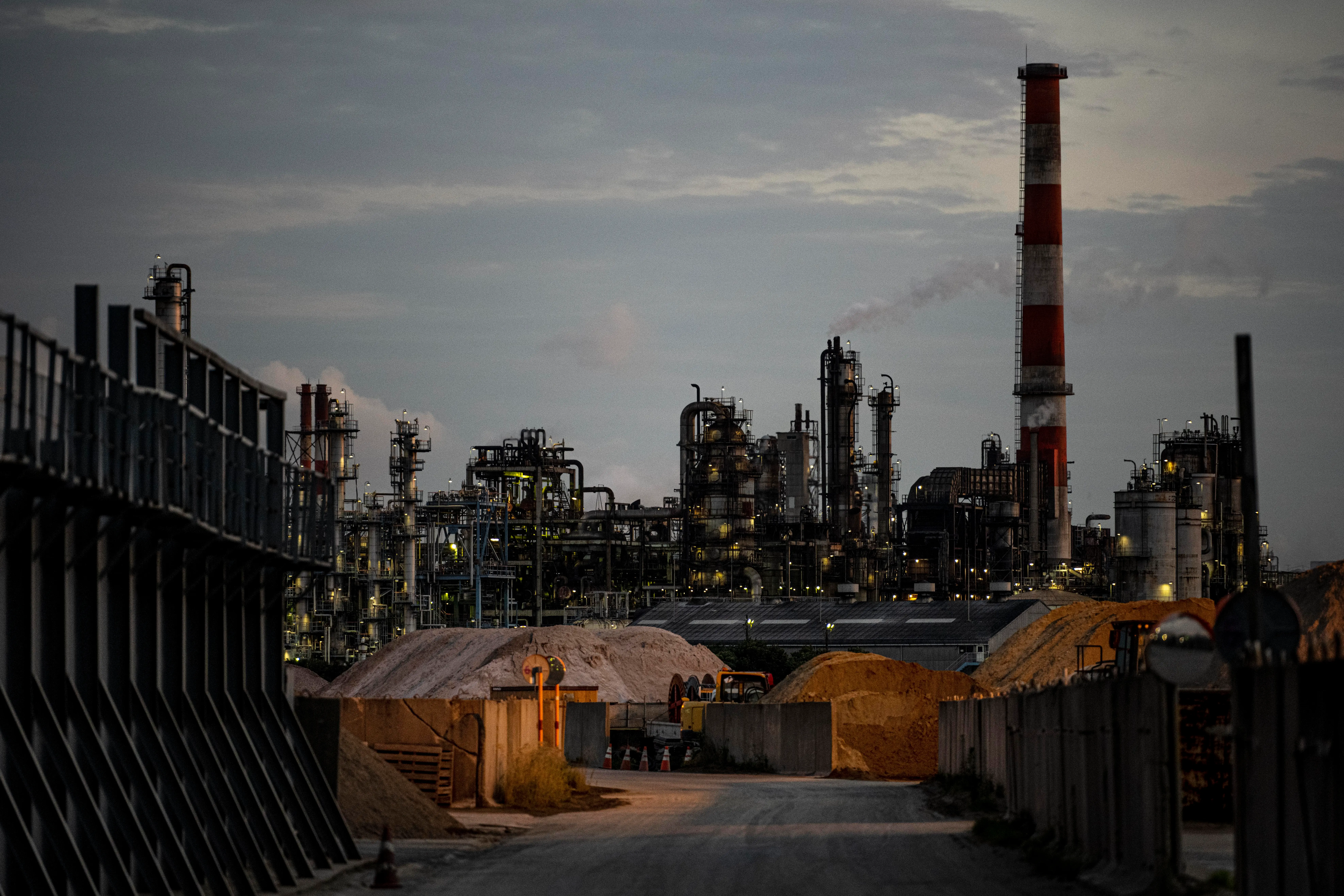

The Barauni and Digboi Reformer Projects are key refinery modernization initiatives undertaken by Indian Oil Corporation Limited (IOCL) to enhance fuel quality, improve hydrogen availability, and comply with India’s Bharat Stage (BS) emission norms. These projects involve the installation and upgradation of Catalytic Reforming Units (CRU) and associated process systems at Barauni Refinery (Bihar) and Digboi Refinery (Assam).
Reformer units convert low-octane naphtha into high-octane reformate, a critical blending component for motor spirit (petrol). The process also generates hydrogen required for downstream hydrotreating units such as DHDT, NHT, and FCC gasoline desulphurization units, improving overall refinery efficiency and environmental performance.
At Barauni Refinery, the project supports large-scale fuel quality upgradation in line with BS-VI specifications and integrates with advanced units including RFCC, Isomerization, Hydrogen Generation, and Sulphur Recovery Units.
At Digboi Refinery, India’s oldest operating refinery, the project represents a major technological upgrade. It modernizes legacy infrastructure while preserving the refinery’s strategic importance in the North-Eastern region.
Equipped with advanced catalysts, high-efficiency furnaces, hydrogen recovery systems, and DCS-based automation, these projects ensure safer operations, higher octane output, improved energy efficiency, and reduced emissions—contributing to clean fuel production, energy security, and sustainable industrial growth.
| Category | Description |
|---|---|
| Overall Purpose | Operations and maintenance ensure reliable, safe, and efficient functioning of the reformer units, supporting high-octane gasoline production, stable hydrogen supply, and compliance with BS-VI emission standards. |
| 24×7 Operations | Continuous monitoring and control of reformer reactors, furnaces, recycle compressors, fractionation systems, and hydrogen networks through centralized control rooms. Operators manage severity control, feed quality, alarms, and emergency response. |
| Units Managed in Operations |
|
| Process Monitoring & Control Systems | Advanced DCS and safety interlock systems provide real-time monitoring of temperature, pressure, flow, hydrogen purity, and octane levels, enabling optimized operations while maintaining safe operating limits and catalyst health. |
| Maintenance Activities | Mechanical, electrical, and instrumentation maintenance including furnace inspections, compressor overhauls, valve servicing, heat exchanger cleaning, analyzer calibration, electrical system maintenance, and pipeline integrity checks. |
| Preventive & Predictive Maintenance | Condition-based monitoring such as vibration analysis, thermography, ultrasonic testing, and oil analysis is used to detect potential failures early and prevent unplanned shutdowns. |
| Shutdown & Turnaround Activities | Planned shutdown activities during refinery turnarounds include catalyst replacement, refractory repairs, reactor inspection, piping replacement, and system upgrades to ensure long-term operational reliability. |
| Safety & Compliance | Strict adherence to Permit-to-Work (PTW) systems, job safety analysis, HAZOP recommendations, emergency drills, and OISD guidelines ensures safe hydrogen handling and high-temperature operations. |
| Outcome & Performance | Strong O&M practices ensure consistent high-octane reformate production, improved hydrogen availability, reduced emissions, enhanced refinery flexibility, and long-term asset reliability. |